A Starter’s Handbook to Casting Foundry Methods and Applications
The Impact of Innovation on Performance in the Casting Foundry Market
The Casting Foundry market has experienced significant changes as a result of technical improvements. Automation and robotics have structured procedures, boosting production prices while decreasing errors. Additionally, real-time tracking and information analytics are reshaping decision-making procedures, causing a lot more effective source monitoring. As these modern technologies proceed to advance, they present both obstacles and possibilities. Recognizing the full impact of these modifications is essential for market stakeholders to flourish and adjust in an affordable landscape.
The Function of Automation in Modern Foundries
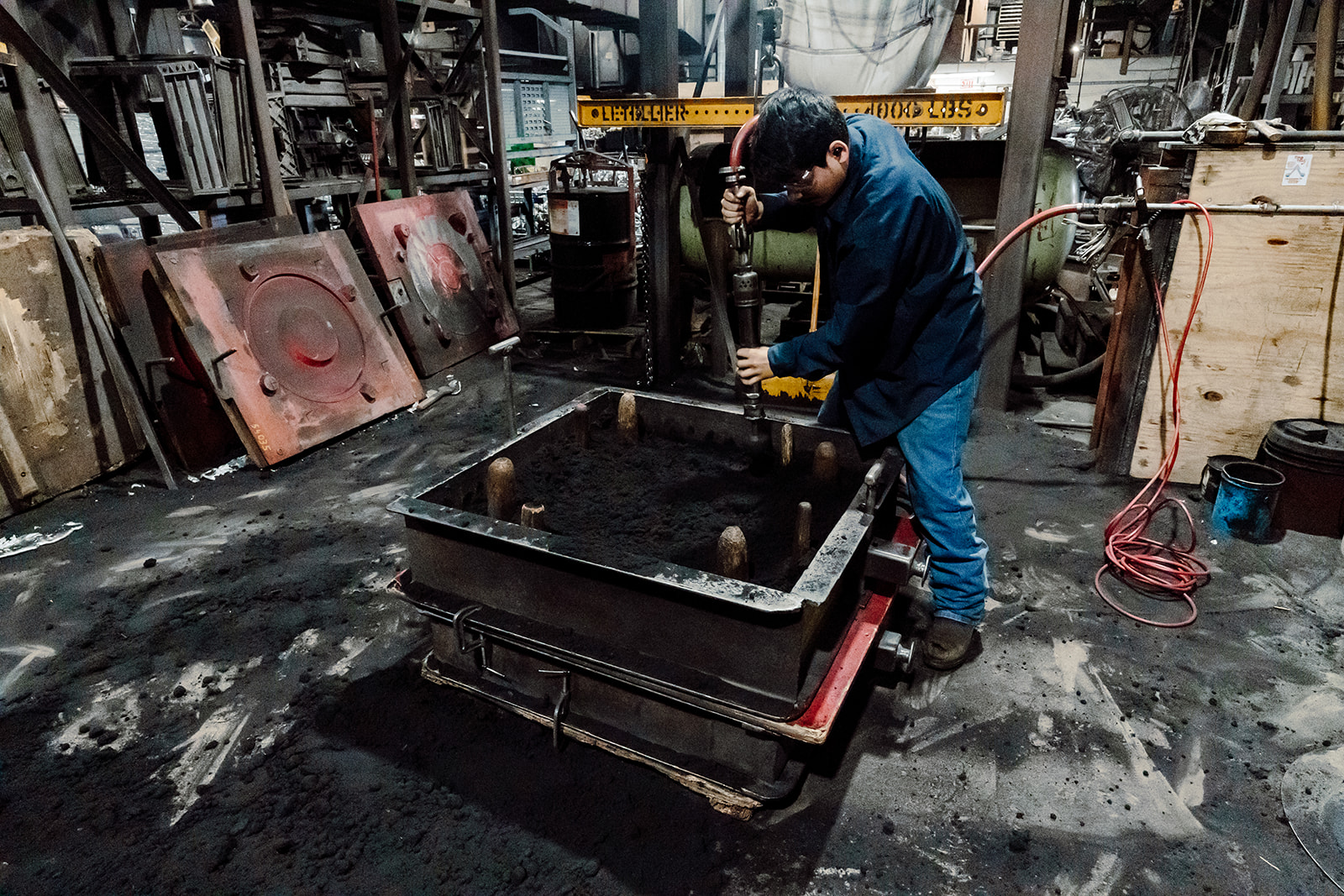
These systems assist in tasks such as mold and mildew creation, pouring, and air conditioning, permitting real-time monitoring and modifications to maximize performance. Additionally, automation enables factories to run constantly, raising outcome and lowering preparations.
The integration of automated options additionally supports much better resource administration, as makers can be programmed to make use of products extra successfully, decreasing waste. By applying automation, contemporary shops can adjust to changing demand, guaranteeing that they remain competitive in a quickly advancing market. Eventually, automation represents a transformative pressure, redefining typical Foundry techniques and leading the way for future innovations.
Enhancing High Quality Control With Innovation
Modern technology transforms quality assurance in shops, ensuring that items fulfill stringent sector standards. Advanced inspection systems, such as laser scanning and 3D imaging, make it possible for accurate measurement of actors components, recognizing defects at the earliest stages. These tools assist in real-time monitoring of producing processes, permitting instant modifications and reducing deviations from quality standards.
Furthermore, data analytics plays a vital duty in quality assurance by assessing patterns and anticipating potential failings, which improves the integrity of the assembly line. Casting Foundry. Executing artificial intelligence algorithms allows shops to constantly boost their quality control procedures by learning from historical information
Furthermore, the combination of digital twins makes it possible for virtual simulations of manufacturing procedures, permitting for comprehensive testing and validation before physical Casting happens. Collectively, these technical improvements not just elevate the quality of cast products however additionally strengthen customer satisfaction and rely on the shop's output.
Minimizing Waste and Energy Intake
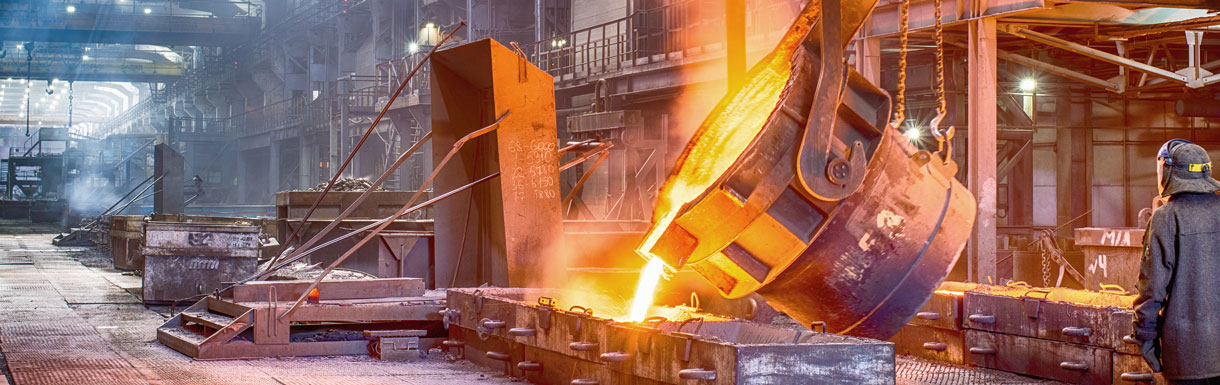
Furthermore, the introduction of 3D printing technology in mold and mildew development significantly lowers material waste by enabling the manufacturing of complex styles without the need for excessive machining. Energy-efficient devices and renewable energy sources are significantly being taken on, adding to reduced operational costs and a smaller carbon footprint.
These technologies not only enhance operational efficiency yet likewise advertise lasting techniques within the Casting Foundry sector, straightening with international efforts to enhance and reduce environmental impacts resource monitoring.
The Influence of Data Analytics on Choice Making
Information analytics has emerged as a crucial tool for boosting decision-making procedures in casting factories. By leveraging data gathered from different stages of production, factories can recognize inadequacies and locations for enhancement. For example, real-time tracking of equipment performance enables supervisors to make enlightened decisions regarding upkeep schedules, minimizing downtime and enhancing output.
Anticipating analytics assists projection demand fads, allowing shops to change manufacturing levels as necessary and reduce excess supply. This capability not just improves procedures however additionally help in source allocation, guaranteeing that products are utilized efficiently.
Data-driven understandings equip administration to evaluate the efficiency of various alloys and materials, leading to enhanced item top quality. As factories increasingly take on information analytics, the integration of these understandings right into calculated decision-making processes paves the method for improved functional effectiveness and competitive advantage in the industry.
Integrating Robotics Into the Molding Refine
The assimilation of robotics right into the molding process provides substantial advantages for casting foundries. By automating tasks, these systems can reduce human mistake and enhance production speed, causing much more effective procedures. As modern technology advances, the potential for robotics to transform conventional molding methods ends up being significantly noticeable.
Advantages of Robotic Automation
Robotic automation uses considerable benefits in the molding process of casting factories, improving both effectiveness and precision. By utilizing robotic systems, foundries can achieve greater manufacturing prices because of the constant rate and integrity of devices. These robotics can carry out repeated tasks with minimal downtime, which streamlines procedures and takes full advantage of output. Additionally, the assimilation of robotics enables for better adaptability in manufacturing, allowing foundries to promptly adjust to varying needs and complex layouts. Additionally, robotic automation adds to boosted work environment safety by reducing the demand for human intervention in hazardous atmospheres. Eventually, the unification of robotics in the molding process results in optimized process, reduced functional costs, and improved product top quality in the Casting Foundry industry.
Lowering Human Error
Although human ability and intuition have actually typically played necessary functions in the molding procedure, integrating robotics substantially reduces the danger of human error. Robotics offers precision and uniformity, ensuring that each mold is produced with specific specifications, minimizing irregularity caused by tiredness or disturbance amongst human operators. With sophisticated sensing units and software program, robotic systems can discover abnormalities and make real-time adjustments, better reducing the possibility of issues. The automation of recurring tasks allows human employees to concentrate on even more complicated obligations, boosting total top quality control. get more Furthermore, the application of robotics assists in a much more methodical strategy, bring about standardization throughout manufacturing processes, which is vital for maintaining high-quality outcomes in the Casting Foundry market.
Enhancing Manufacturing Speed
Integrating robotics into the molding process not only lowers human mistake yet additionally greatly improves production rate within casting factories. By automating recurring jobs, robotics can operate constantly, allowing for higher output prices contrasted to standard techniques. Their precision warranties that mold and mildews are regularly filled, minimizing downtime triggered by modifications or defects. Furthermore, robotics enable rapid changes in manufacturing lines, fitting various layouts without significant delays. Because of this, foundries can react extra quickly to market demands, raising their one-upmanship. Additionally, the integration of sophisticated robotics innovations streamlines the workflow, enhancing resource appropriation and minimizing labor costs. Overall, the adoption of robotics in molding processes substantially thrusts efficiency and productivity in the Casting Foundry industry.
Overcoming Obstacles in Technology Adoption
Future Patterns in Casting Foundry Modern Technology
What developments exist ahead for the Casting Foundry market? The future of casting Foundry modern technology is poised for substantial change with developments such as 3D printing, automation, and expert system. These advancements promise to improve precision and minimize waste in the Casting procedure. 3D printing makes it possible for the manufacturing of intricate geometries that traditional techniques can not accomplish, while automation simplifies operations, enhancing general performance. In addition, the assimilation of AI and artificial intelligence will assist in anticipating upkeep, optimizing equipment performance and reducing downtime.
Additionally, the fad towards sustainable methods is anticipated to form the market, with an check over here emphasis on green materials and procedures. Digital twins, which mimic real-world operations, could likewise become commonplace, permitting shops to check scenarios and make data-driven decisions. Jointly, these innovations are readied to redefine the Casting Foundry landscape, driving efficiency and sustainability while satisfying the developing needs of different industries.
Frequently Asked Inquiries
Just How Does Innovation Impact Employee Responsibility in Foundries?
Modern technology significantly reshapes employee duties in factories by automating repeated tasks, boosting accuracy, and necessitating new capability. Workers significantly concentrate on overseeing innovative equipment and data evaluation, causing a shift in work obligations and needed competencies.
What Are the Costs Connected With Carrying Out New Technologies?
The expenses of carrying out brand-new technologies incorporate preliminary investments, training expenditures, recurring maintenance, and possible disruptions throughout changeover. Organizations has to thoroughly evaluate these monetary factors to ensure successful combination and sustainable lasting benefits.
How Can Tiny Shops Adopt Innovation Affordably?
To take on technology cost effectively, little factories can discover grants, partnerships, and low-cost solutions. Incremental upgrades, employee training, and leveraging existing resources additionally enhance performance without considerable monetary pressure, promoting gradual technical assimilation right into operations.
What Abilities Are Needed for Employees in Tech-Driven Foundries?
Workers in tech-driven factories require abilities in data evaluation, maker operation, and software program efficiency. Furthermore, adaptability to new tools and modern technologies, problem-solving capabilities, and collaboration with design groups are necessary for success helpful hints in this progressing atmosphere.
Exactly How Does Innovation Impact Security in Foundries?
Modern technology considerably improves security in factories by automating harmful tasks, employing innovative monitoring systems, and assisting in real-time interaction. These advancements reduce workplace mishaps and improve emergency situation feedback, inevitably promoting a safer atmosphere for all workers.
Innovation transforms top quality control in foundries, guaranteeing that products meet strict sector criteria. Innovations such as automated molding systems and advanced melting technologies allow factories to enhance product use and minimize power needs. As the Foundry sector significantly acknowledges the advantages of arising innovations, getting over difficulties in innovation fostering ends up being necessary for improving functional efficiency. Innovation considerably improves staff member roles in shops by automating repeated jobs, enhancing precision, and requiring brand-new ability collections. Innovation significantly improves safety in foundries by automating hazardous jobs, employing innovative monitoring systems, and assisting in real-time communication.